
Breakthrough in the Development of a New Foot-and-Mouth Disease Vaccine
Por admin en NewsINTA, the National Research Council of Canada (NRCC), and Bioinnovo—a technology-based company established jointly by INTA and Vetanco SA—are currently developing the first vaccine against the foot-and-mouth disease virus (FMDV) that completely eliminates the use of infective material in its manufacturing process. This achievement represents a milestone of global significance.
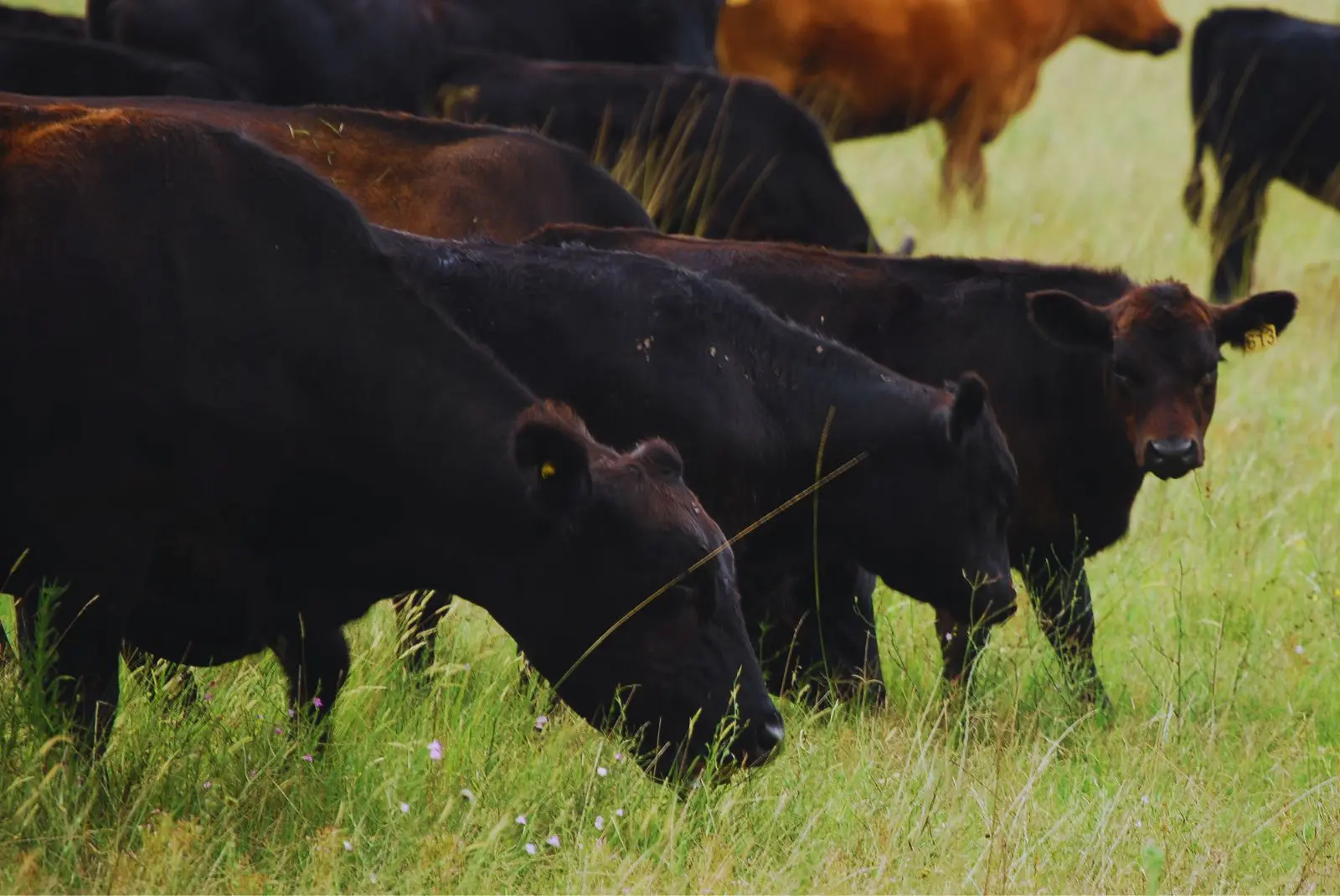
 Foot-and-mouth disease (FMD) is the primary barrier to the international trade of agricultural products. Outbreaks of this disease carry severe economic and social impacts globally. In endemic regions, annual losses associated with FMD are estimated to range between 8.4 and 27.3 billion dollars.
Recently reported outbreaks in wild animals in Germany and in cattle in Israel underscore the ongoing risks and the critical importance of having robust preventive strategies. While effective vaccines currently exist, their production processes rely on live infective material. Consequently, many countries choose not to host vaccine manufacturing plants within their territories or prohibit working with viral strains other than those circulating regionally, thereby restricting production to local markets.
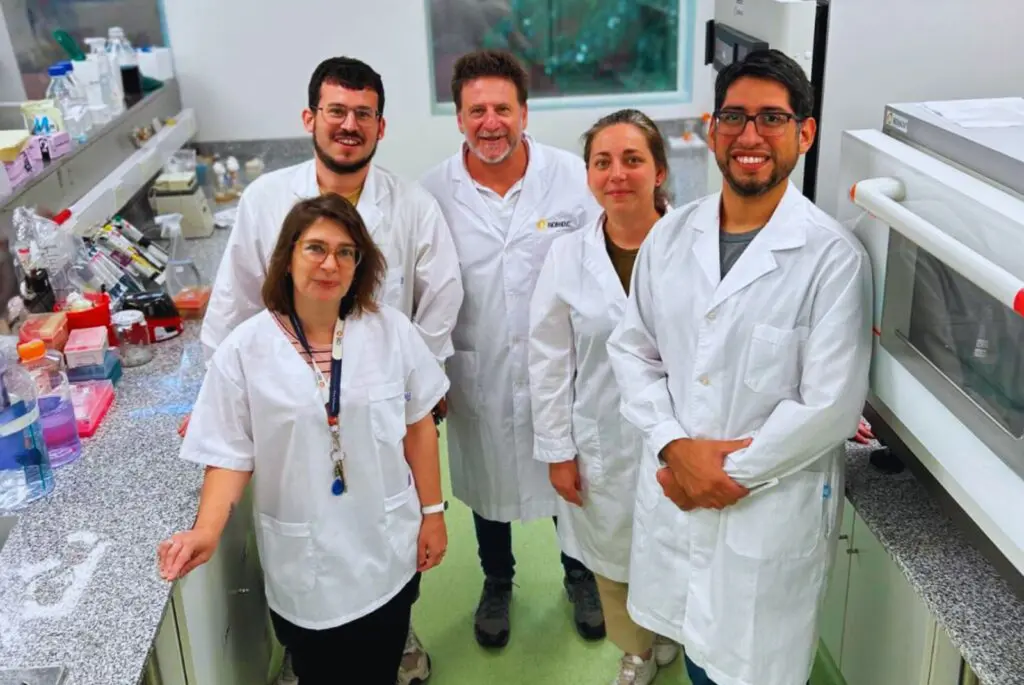
To address this challenge, Bioinnovo—an animal health-oriented company with over ten years of track record formed by INTA and Vetanco S.A.—has engineered a solution. “It can be manufactured in conventional facilities using the same equipment and technologies already employed in the production of any vaccine that utilizes mammalian cells,” explained Andrés Wigdorovitz, Director of INCUINTA and Bioinnovo.
“This is a safe, effective solution with the potential to position itself as a superior alternative regarding biosecurity requirements and versatility,” Wigdorovitz assured. “It is the first FMD vaccine grown in mammalian cells that does not use infective material at any stage of the production process.” He further noted that the recombinant vaccine project for FMD treatment began over ten years ago at the Institute of Virology and was granted patent protection in late 2022.
Marianela Dalghi, a researcher at Bioinnovo and current project leader, indicated: “Its formulation, based on recombinant empty capsids (or VLPs, Virus-Like Particles), eliminates the need for exhaustive purification processes to remove non-structural viral proteins. This easily allows for the Differentiation of Infected from Vaccinated Animals (DIVA).”
In this regard, since no infective virus is used at any stage, “the manufacturing of our vaccine is not subject to national or international restrictions regarding the handling of live viral strains,” Dalghi emphasized. Furthermore, she highlighted that the technology “offers great potential to diversify vaccine portfolios, enter new markets, expand antigen banks, boost response capacity during sanitary emergencies, and streamline vaccine development against emerging viral strains.”
Over the last two years of development, Bioinnovo successfully validated this technology at a pre-industrial pilot scale and progressed with compiling the necessary documentation for regulatory registration.
At this stage, the company is actively seeking an international partner. “This effort is being coordinated with the National Chancellery (Ministry of Foreign Affairs) in a very encouraging manner, aiming to bring this technology to commercial launch within 2 to 4 years, featuring a product that is innovative, safe, and as effective as the best vaccines currently available,” Wigdorovitz underlined.
For his part, Jorge Winokur, President of Bioinnovo and Vetanco, stated: “At Bioinnovo and through our commercial partner Vetanco, we continue to invest in biosecure vaccine platforms to supply the global market in controlling outbreaks of exotic variants.”
This secure material handling policy is complemented by products from the Biotech platform for mucosal immunity and the Vedevax line of targeted vaccines. Winokur added: “We are proud to have a committed team of researchers, innovators, and technicians.”
New Technology
The current methodology used to produce this recombinant vaccine is based on growing CHOBRI™ mammalian cells in a bioreactor, which contain the genetic information to inducibly express FMDV VLPs.
The optimization strategy developed for the inducible production of VLPs has been patented jointly by INTA and the NRCC.
The bioreactors utilized are identical to those used in traditional FMD vaccine production to replicate infective viral particles in BHK-21 mammalian cells. Once the cells reach a critical growth mass, VLP expression is induced using cumate, a non-toxic and widely accessible chemical compound.
Following the induction period, cells are harvested and lysed, and the resulting cell lysate undergoes purification processes. Finally, adjuvants and excipients are added to achieve the final formulation, which is subjected to the strictest quality controls.
Award for Innovative Solution
Out of more than 1,500 applicants, the joint project developed by the National Research Council of Canada (NRCC) and INTA—currently led and funded by Bioinnovo—won the 15th edition (2024) of the Banco Nación Innovative Solutions Competition, organized by the Empretec Foundation.
This award recognized the innovative vaccine for preventing foot-and-mouth disease that utilizes empty capsids and synthetic recombinant genes, eliminating the need for infectious material.
This accolade celebrated not only a scientific-technological breakthrough but also the teamwork and commitment to creating solutions with a positive global impact.
No Comment